


Why September Is the Perfect Time for a Full Body Reset

September has a back-to-rhythm feeling. Holidays end. Work picks up. School terms restart. Diaries fill quickly. That shift makes it one of the best times to reset the body before the colder months set in.
A good reset does not need extremes. It needs sleep, hydration, movement, stress support, lymphatic care, and a plan that fits real life.

September helps routines feel possible again.
Summer often breaks routine in useful ways. Travel, longer evenings, meals out, late nights, and less structure can all be part of enjoying a holiday. The body can handle short periods of change. The problem starts when holiday habits follow you home.
Common post-holiday changes include:
Later bedtimes
More alcohol or rich food than usual
Less meal planning
Reduced training or daily movement
More sitting during travel
Lower water intake
Higher screen time after returning to work
September gives a clear psychological marker. It feels like a fresh start without the pressure of January. The weather is still mild enough for walking, outdoor training, and lighter meals. There is also enough time to build steadier habits before darker evenings and festive routines arrive.
This is why a wellness reset works well now. It can be practical, seasonal, and grounded. Rather than trying to undo summer, the aim is to support recovery and create a routine that lasts.
Start with three anchors:
A consistent wake time
Keep it within the same 60-minute window most days.
A simple meal rhythm
Build meals around protein, fibre, healthy fats, and colourful plants.
Daily movement
Aim for walking, stretching, strength work, or swimming. It does not need to be intense.
A reset fails when it tries to change everything at once. Start with the habits that affect energy first. Sleep, hydration, and movement will do more than any complicated routine.
Sleep needs structure after holiday mode.
Holiday sleep often drifts later. Long dinners, flights, lie-ins, and changes in daylight can push the body clock out of sync. When the alarm returns, the body may feel heavy even after enough hours in bed.
The NHS states that most adults need around 7 to 9 hours of sleep per night. Quality matters too. Broken sleep, late caffeine, alcohol, and bright screens can all reduce how rested you feel.
The body clock, also called the circadian rhythm, responds strongly to light, timing, meals, and temperature. That means a September sleep reset should focus on cues, not willpower.
How to adjust sleep without forcing it
Use a gradual approach for 7 to 10 days.
Habit | Why it helps |
Wake at the same time daily | Morning timing helps reset the body clock. |
Get outdoor light early. | Natural light supports alertness and sleep timing. |
Stop caffeine after lunch. | Caffeine can stay active for several hours |
Dim lights in the evening | Lower light helps the body prepare for sleep. |
Keep the bedroom cool | A slight drop in body temperature supports sleep onset. |
Avoid trying to go to bed two hours earlier in one night. The body often resists that. Move bedtime earlier by 15 to 30 minutes every few nights.
A warm shower can also help. The body cools down after bathing, which can support sleepiness. Keep intense workouts earlier in the day if late exercise leaves you wired.
Alcohol deserves attention too. It may make falling asleep feel easier, but it can fragment sleep later in the night. If sleep feels poor after summer socialising, reduce alcohol for two weeks and track the change.

Travel can cause water retention, but it usually responds well.
Swollen ankles, puffy skin, tight rings, and a heavier feeling in the legs are common after travel. Long periods of sitting reduce muscle contractions in the calves. These contractions usually help move blood and fluid back towards the heart.
Cabin pressure, salty meals, alcohol, heat, and dehydration can add to the problem. This is usually temporary. It should improve as normal movement, hydration, and meals return.
Seek medical advice urgently if swelling affects one leg only, comes with pain, redness, warmth, chest pain, or breathlessness. These symptoms need proper assessment.
For typical post-travel puffiness, focus on circulation and fluid balance.
What helps reduce travel-related puffiness?
Walk within 24 hours of arrival.
A steady 20 to 40-minute walk helps the calf muscles pump fluid. Keep the pace comfortable.
Elevate the legs.
Lie down and raise the legs above hip height for 10 to 15 minutes. This can help reduce heaviness after flights or long car journeys.
Hydrate with minerals.
Water matters, but electrolytes matter too. Include potassium-rich foods such as bananas, avocado, spinach, beans, and potatoes. If sweating heavily or using a sauna, replace fluids with care.
Reduce very salty foods for a few days.
Restaurant meals, snacks, cured foods, and sauces can be high in salt. A few lower-salt days can help the body re balance.
Use gentle movement, not punishment
Hard training when the body is dehydrated and swollen can increase fatigue. Choose walking, mobility work, Pilates, swimming, or light strength training first.
Dry body brushing and massage may also help some people feel less sluggish. The evidence for dramatic fluid removal is limited, but gentle touch and movement can support relaxation and body awareness.
Stress often rises after the holiday ends.
The post-holiday dip is real for many people. The inbox is full. Bills may arrive. The calendar gets tighter. There can also be pressure to “get back on track” fast, which creates more stress than the holiday habits themselves.
Stress affects the body in clear ways. It can disrupt sleep, increase cravings, slow digestion, tighten muscles, and raise heart rate. It can also make skin look dull or reactive, especially when paired with poor sleep and dehydration.
A September reset should include stress regulation from day one. Not as an extra. As a core part of recovery.
Use short practices that calm the nervous system.
Long routines are easy to skip. Short ones work better when life is busy.
Try one of these daily:
Five minutes of slow nasal breathing
A 10-minute walk after lunch
Stretching the neck, jaw, hips, and calves
Journalling three lines before bed
A warm bath without a phone nearby
One screen-free hour before sleep
Breathing is a useful tool because it changes physiology quickly. Slow exhalations can stimulate the parasympathetic nervous system, which helps the body move into rest and digestion mode.
A simple pattern works well:
Inhale through the nose for four counts.
Exhale slowly for six counts.
Repeat for three to five minutes.
This is not a cure for chronic stress or anxiety. It is a practical daily signal to the body that the holiday rush, travel load, and return-to-work pressure are no longer in charge.

Lymphatic health supports recovery and skin radiance.
The lymphatic system is part of the immune and fluid balance system. It moves lymph, a clear fluid that carries immune cells, waste products, and excess fluid. Unlike the heart, the lymphatic system does not have a central pump. It relies heavily on movement, breathing, and muscle contractions.
When routines slow down, lymph flow can feel sluggish. That may show up as puffiness, heaviness, or a sense of low energy. Those feelings can have many causes, so lymph support should be gentle and sensible.
How to support lymphatic flow
Move daily.
Walking is one of the simplest lymph-supportive habits. The calf muscles act like pumps. Strength training, yoga, swimming, and rebounding can also help the body move fluid.
Breathe deeply.
The diaphragm helps change pressure through the trunk. Deep breathing may support lymph movement through major vessels in the chest and abdomen.
Stay hydrated.
Lymph is fluid. Dehydration can affect how the body manages circulation and waste removal. Drink enough that urine is pale yellow most of the day.
Use gentle massage.
Manual lymphatic drainage is a specialised therapy that uses light pressure. It should not feel painful. People with heart, kidney, vascular, infection, or cancer-related concerns should get medical guidance before booking treatment.
Wear comfortable clothing after travel.
Tight waistbands or socks can worsen discomfort after long journeys. Give the body space to settle.
Skin health also benefits from this wider approach. Circulation, sleep, hydration, and stress support can all affect skin tone and texture. No single practice creates glow on its own. The basics work together.
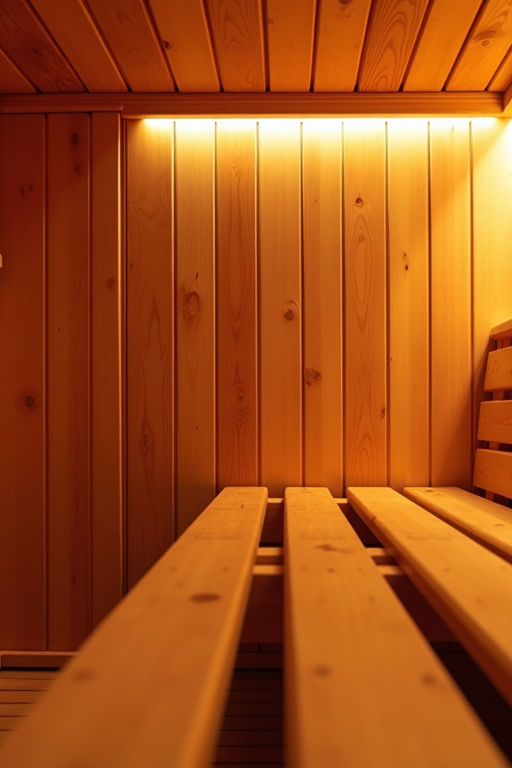
Sauna therapy can support sweating and relaxation
Sauna use has a long history in many cultures. Heat exposure raises heart rate, warms tissues, and triggers sweating. Many people use sauna therapy to relax muscles, support recovery, and feel clearer after periods of travel or stress.
Sweat contains mostly water and electrolytes, with small amounts of other substances. The liver and kidneys do most of the body’s detoxification work. So it is more accurate to say sauna therapy supports the body’s natural processes rather than “flushes toxins” in a dramatic way.
Research on sauna bathing suggests benefits may include improved cardiovascular markers, relaxation, and perceived recovery when used safely. Heat also encourages stillness, which can lower stress after a busy holiday period.
Sauna safety matters.
Use sauna therapy with respect. More heat is not better.
Good practice includes:
Start with 10 to 15 minutes if new to sauna
Hydrate before and after
Replace electrolytes if sweating heavily
Avoid alcohol before sauna use
Leave if dizzy, nauseous, or unwell
Cool down gradually
Speak to a healthcare professional if pregnant, unwell, or living with heart, blood pressure, kidney, or fainting conditions
Pair sauna with a calm evening routine. A short sauna session, shower, light meal, and early night can work well during a September reset. Avoid placing intense heat too close to bedtime if it makes you feel alert.
A personalised plan works better than a strict reset.
A full body reset should match the person’s life, health, schedule, and preferences. A rigid plan may look impressive for three days. A realistic plan can carry through autumn and become an end-of-year reset before festive habits begin.
Start by choosing the main goal. Do not pick ten.
Useful September goals include:
Better sleep quality
Less puffiness after travel
Clearer skin
Lower stress
More consistent movement
Improved digestion
Steadier energy
Then build a weekly plan around small non-negotiables.
A simple September reset plan
Morning
Drink water on waking. Get outdoor light within the first hour. Eat a protein-rich breakfast if that suits your appetite.
Midday
Walk for 10 to 20 minutes. Add vegetables and fibre at lunch. Keep caffeine earlier in the day.
Evening
Choose a clear wind-down time. Reduce screens. Stretch or breathe for five minutes. Keep bedtime consistent.
Two to three times weekly
Add strength training, Pilates, swimming, or a longer walk. Book a therapy session if massage, lymphatic drainage, or sauna supports your goals and is safe for you.
Once weekly
Review what worked. Keep what felt good. Remove what felt forced.
Tracking can help, but keep it simple. Use a notebook or notes app to mark sleep, energy, stress, movement, water intake, and any puffiness. Patterns will appear after one or two weeks.
The best reset is not harsh. It is consistent. September gives the right conditions to restore routine, improve sleep, reduce post-travel heaviness, support lymphatic health, and manage stress before the year gets busier.
This article is for general information only. It is not medical advice. For persistent swelling, severe fatigue, pain, or health concerns, speak to a qualified healthcare professional.
Take the first step today. Pick one anchor habit for the next seven days. Protect it. Let the rest build from there.

Comments